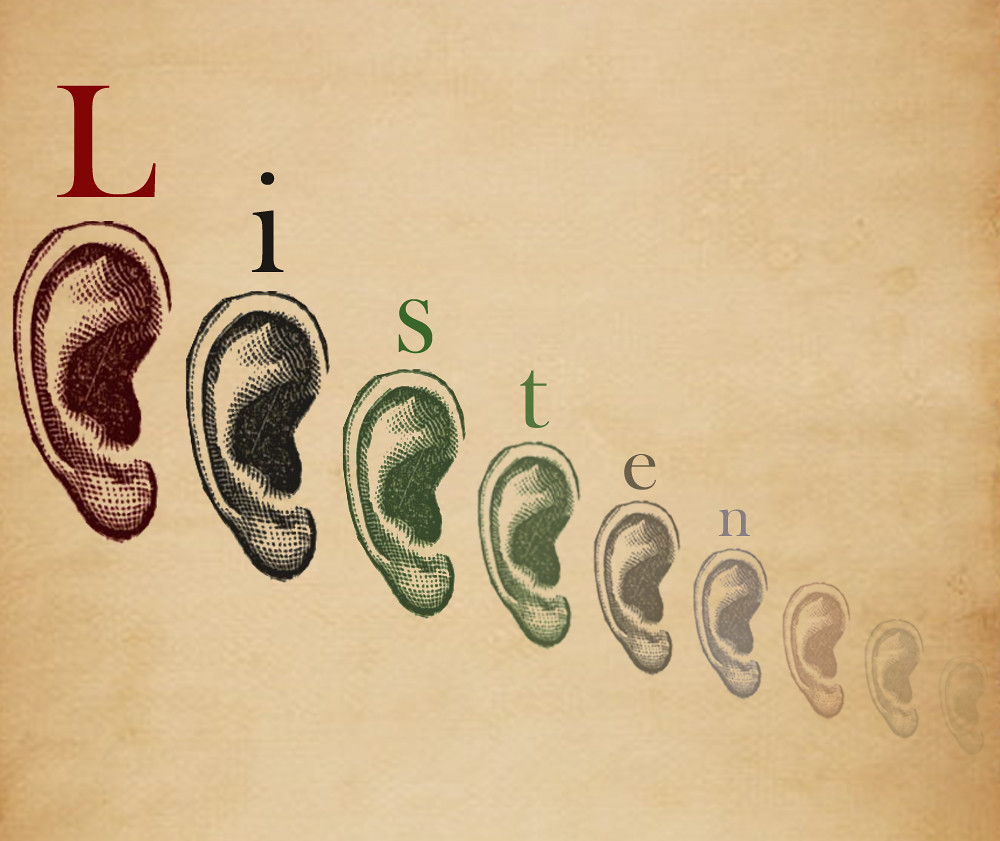
The Art of Active Listening: Truly Hearing Your Partner
In any relationship, the ability to communicate effectively is essential. One of the most powerful tools for improving communication is active listening. This technique not only helps you understand your partner better but also builds trust and emotional intimacy. In this blog post, we will explore the art of active listening and provide practical tips to enhance your listening skills.
Understanding Active Listening
Active listening is more than just hearing the words your partner says; it involves fully engaging with them and understanding their emotions and intentions. According to the National Institutes of Health, active listening can significantly improve interpersonal relationships and conflict resolution.
Why is Active Listening Important?
- Enhances Understanding: Active listening allows you to grasp your partner’s feelings and perspectives better, which is crucial for resolving conflicts.
- Builds Trust: When your partner feels heard and understood, it fosters a deeper sense of trust and security in the relationship.
- Encourages Open Communication: By practicing active listening, you create a safe space for your partner to express their thoughts and feelings.
Techniques for Active Listening
Here are some effective techniques to incorporate active listening into your daily interactions:
1. Give Full Attention
Put away distractions such as your phone or computer. Make eye contact and show that you are genuinely interested in what your partner is saying.
2. Use Reflective Listening
Paraphrase what your partner has said to show that you are listening. For example, you might say, “It sounds like you’re feeling frustrated about…” This technique helps clarify their message and demonstrates that you are engaged.
3. Ask Open-Ended Questions
Encourage your partner to elaborate on their thoughts and feelings by asking questions that require more than a yes or no answer. For example, “What do you think about…?” or “How did that make you feel?”
4. Validate Their Feelings
Acknowledge your partner’s emotions, even if you don’t necessarily agree with them. Statements like “I can see why you would feel that way” can go a long way in making them feel understood.
5. Avoid Interrupting
Let your partner finish their thoughts without interjecting. This shows respect and allows them to express themselves fully.
Overcoming Barriers to Active Listening
Sometimes, it can be challenging to practice active listening due to various barriers, such as stress or preconceived notions. Here are a few strategies to overcome these obstacles:
- Be Mindful: Take a moment to clear your mind before engaging in a conversation. Mindfulness practices, such as meditation, can help you become more present.
- Set Intentions: Before a conversation, set a clear intention to listen actively and without judgment.
- Practice Empathy: Try to put yourself in your partner’s shoes. Understanding their perspective can help dissolve biases and enhance your listening skills.
Conclusion
Active listening is a vital skill that can transform your relationship. By truly hearing your partner, you not only improve communication but also build a stronger, more trusting connection. Remember, the effort you invest in listening actively will pay off in deeper intimacy and understanding.
If you want to dive deeper into improving your communication skills, consider seeking help from a professional therapist by contacting us today for a free consultation.

You must be logged in to post a comment.